Introduction
Pet Care in UAE Summer: 7 Rules to Prevent Dangerous Heatstroke in Dogs is essential knowledge for every dog owner living in the Emirates. Summer temperatures in the UAE can rise dramatically, making everyday activities dangerous for pets. Dogs cannot cool themselves as efficiently as humans. Consequently, prolonged exposure to extreme heat can quickly become a medical emergency.
Dubai, Abu Dhabi, Sharjah, and other Emirates experience intense summer heat. Hot pavements, high humidity, and direct sunlight increase the risks. Even a short outdoor walk can become unsafe during peak temperatures.
Fortunately, responsible pet care can significantly reduce these dangers. Understanding heatstroke symptoms and adjusting your dog’s daily routine can protect its health. This guide explains seven essential rules for keeping dogs safe throughout the UAE summer.
Understanding Heatstroke in Dogs During UAE Summer
Heatstroke occurs when a dog’s body temperature rises beyond its ability to regulate itself. A dog’s normal body temperature is approximately 38–39.2°C. When overheating becomes severe, vital organs can suffer damage.
Dogs mainly regulate body temperature through panting. However, extreme temperatures and humidity can make this process less effective. Certain breeds, including Bulldogs, Pugs, and other flat-faced dogs, face greater risks.
Puppies, senior dogs, overweight pets, and dogs with existing medical conditions also require additional protection. Therefore, Pet Care in UAE Summer: 7 Rules to Prevent Dangerous Heatstroke in Dogs should focus on prevention rather than waiting for symptoms.

Rule 1: Walk Your Dog During Cooler Hours
Outdoor exercise remains important for a dog’s physical and mental health. However, summer requires a different walking schedule.
Early mornings and late evenings generally offer safer conditions. Avoid midday walks when temperatures and direct sunlight are intense. Remember that late evenings can also remain dangerously hot.
Check the weather before leaving home. High humidity can increase heat stress, even when temperatures appear manageable.
Protect Your Dog’s Paws From Hot Pavements
Asphalt, concrete, and paving stones can become much hotter than the surrounding air. These surfaces may burn sensitive paw pads within minutes.
Test the pavement with the back of your hand. If you cannot comfortably hold it there for seven seconds, choose another walking surface. This is only a rough precaution, not a guarantee of safety.
Whenever possible, use shaded, grassy routes. Keep walks short and return indoors if your dog shows signs of discomfort.
Rule 2: Provide Fresh Water Throughout the Day
Hydration is one of the most important parts of Pet Care in UAE Summer: 7 Rules to Prevent Dangerous Heatstroke in Dogs.
Dogs lose moisture through panting. Without adequate water, they can become dehydrated and struggle to regulate body temperature.
Keep clean, fresh water available throughout the day. Place water bowls in several accessible areas around your home. Refresh the water regularly, especially during hotter periods.
Make Hydration Easier During Outdoor Activities
Carry a portable water bottle and collapsible bowl during necessary outings. Offer your dog frequent opportunities to drink. Never force water into an overheated or disoriented dog’s mouth.
You can also provide moisture through veterinarian-approved wet food. However, wet food does not replace access to drinking water.
Watch for dry or sticky gums, unusual tiredness, and reduced urination. These signs can indicate dehydration and warrant veterinary advice.
Rule 3: Keep Your Dog Indoors During Extreme Heat
Air conditioning can make a significant difference during UAE summer. Keep your dog in a cool, well-ventilated indoor environment whenever outdoor conditions become extreme.
Avoid leaving dogs on balconies, in unshaded gardens, or inside parked vehicles. A vehicle can heat rapidly, even when its windows are slightly open.
Never assume a shaded outdoor area remains safe throughout the day. The sun moves, and surrounding surfaces continue releasing stored heat.
Create a Comfortable Indoor Environment
Maintain a comfortable room temperature using air conditioning or suitable cooling equipment. Provide a cool resting surface away from direct sunlight.
Cooling mats may offer additional comfort when used according to their instructions. Always supervise pets that chew or damage these products.
Fans can improve air circulation, but they may not adequately protect dogs during extreme heat. Therefore, do not rely on a fan alone when indoor temperatures become unsafe.
Rule 4: Recognize the Early Signs of Heatstroke
Recognizing heatstroke symptoms early can save your dog’s life. Initial warning signs may appear during exercise or shortly after returning home.
Excessive panting is one common sign. Other symptoms include heavy drooling, restlessness, weakness, and unusually bright or dark red gums.
As overheating progresses, dogs may develop vomiting, diarrhea, confusion, or difficulty walking. Severe cases can involve seizures, collapse, and unconsciousness.
When Should You Contact a Veterinarian?
Contact a veterinarian immediately if you suspect heatstroke. Do not wait for symptoms to disappear naturally.
Heatstroke is an emergency, even if your dog appears to improve after cooling. Internal organ damage may develop without obvious external signs.
While arranging emergency veterinary care, move your dog to a cooler location. Apply cool or room-temperature water to the body and use airflow to support cooling. Avoid ice baths and very cold water.
Do not wrap your dog in wet towels, as these can trap heat against the body. Never delay veterinary treatment while attempting home remedies.
Rule 5: Never Leave Your Dog in a Parked Car
A parked car can become dangerously hot within a short period. This risk remains even when the vehicle is parked in shade.
Leaving windows slightly open does not provide reliable protection. Similarly, running errands for only a few minutes can expose your pet to serious danger.
The safest approach is simple: leave your dog at home when you cannot take it with you. If travelling with your pet, ensure someone remains responsible for its safety.
Make Car Journeys Safer
Use air conditioning to maintain a comfortable cabin temperature. Prepare water before travelling and avoid unnecessary stops.
Never leave your dog unattended inside a stationary vehicle. If the air conditioning fails, stop safely and move your pet to a cooler environment.
For longer journeys, plan regular breaks in suitable shaded areas. Monitor your dog for panting, restlessness, or unusual fatigue.
Rule 6: Adjust Exercise and Grooming for Summer
Dogs still need activity during hot weather. Nevertheless, intense exercise can raise body temperature rapidly.
Replace long runs with gentle indoor games or short walks during cooler hours. Puzzle feeders and supervised enrichment activities can provide mental stimulation without excessive physical exertion.
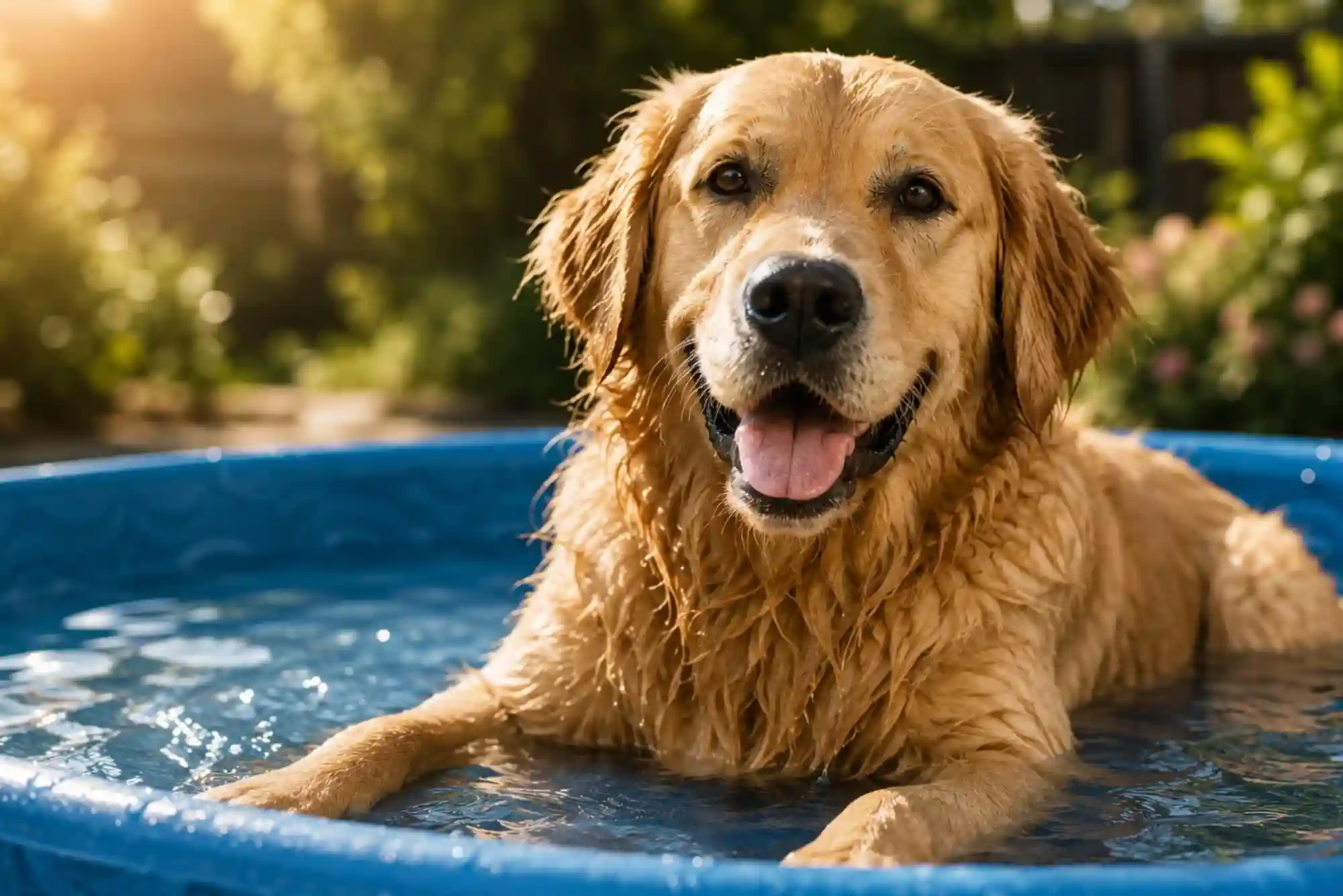
Swimming may help some dogs stay active, provided the location is safe and the dog is comfortable in water. Always supervise swimming and provide fresh drinking water.
Should You Shave Your Dog During Summer?
Shaving is not the best solution for every breed. A dog’s coat may help regulate temperature and protect the skin from sunlight.
Double-coated breeds, including Huskies and Golden Retrievers, generally should not be shaved without veterinary or professional grooming advice. Instead, arrange regular brushing to remove loose hair and prevent matting.
Some breeds benefit from professional trimming. However, grooming decisions should consider coat type, skin health, and individual needs.
Keep your dog’s nails and paw pads in good condition. Ask a veterinarian or qualified groomer for advice suited to your pet.
Rule 7: Pay Extra Attention to High-Risk Dogs
Some dogs need additional protection during UAE summer. Flat-faced breeds often struggle to breathe efficiently because of their facial structure.
Older dogs may have reduced heat tolerance. Puppies can also be more vulnerable because their temperature regulation and activity control are less developed.
Overweight dogs and pets with heart or respiratory conditions may face increased risks. Certain medications can also affect heat tolerance.
Build a Summer Routine Around Your Dog’s Needs
Discuss heat precautions with your veterinarian if your dog has a medical condition. Ask whether exercise restrictions or additional monitoring are necessary.
Keep emergency veterinary contact details accessible. Identify a nearby clinic that can treat heat-related emergencies.
Monitor your dog closely after outdoor activity. Changes in breathing, energy, coordination, or behaviour deserve attention.
Remember that individual tolerance varies. A dog that handled last summer well can still develop heatstroke under different conditions.
Frequently Asked Questions
How hot is too hot for dogs in the UAE?
There is no single temperature that is safe for every dog. Breed, humidity, sunlight, exercise intensity, and health all affect heat tolerance.
During extreme UAE summer conditions, avoid unnecessary outdoor activity. Choose cooler hours and prioritize indoor exercise whenever appropriate.
How can I tell if my dog is suffering from heatstroke?
Warning signs include excessive panting, heavy drooling, weakness, vomiting, confusion, and unsteady movement. Severe cases may cause seizures or collapse.
If heatstroke is suspected, begin safe cooling and seek emergency veterinary care immediately.
Can dogs go for walks during Dubai summer?
Yes, but walking schedules must reflect actual weather conditions. Choose cooler hours, avoid hot pavement, and keep outings brief when necessary.
If temperatures or humidity remain extreme, indoor activities are safer.
Should I give my dog ice water during summer?
Fresh, cool drinking water is generally appropriate for healthy dogs. Allow your dog to drink voluntarily.
If your dog develops suspected heatstroke, use cool or room-temperature water to help lower body temperature. Avoid ice baths and obtain emergency veterinary care.
Can a dog recover from heatstroke without veterinary treatment?
Heatstroke can cause life-threatening complications, including organ damage and blood-clotting problems. Improvement in appearance does not guarantee recovery.
Always seek emergency veterinary treatment when heatstroke is suspected.
Which dogs are most vulnerable to UAE summer heat?
Flat-faced breeds, senior dogs, puppies, overweight pets, and dogs with underlying health conditions face increased risks. However, any dog can develop heatstroke under the wrong conditions.
Conclusion
Pet Care in UAE Summer: 7 Rules to Prevent Dangerous Heatstroke in Dogs starts with awareness, preparation, and consistent daily habits. Cooler walking times, fresh water, air-conditioned spaces, and careful exercise can help protect your pet.