
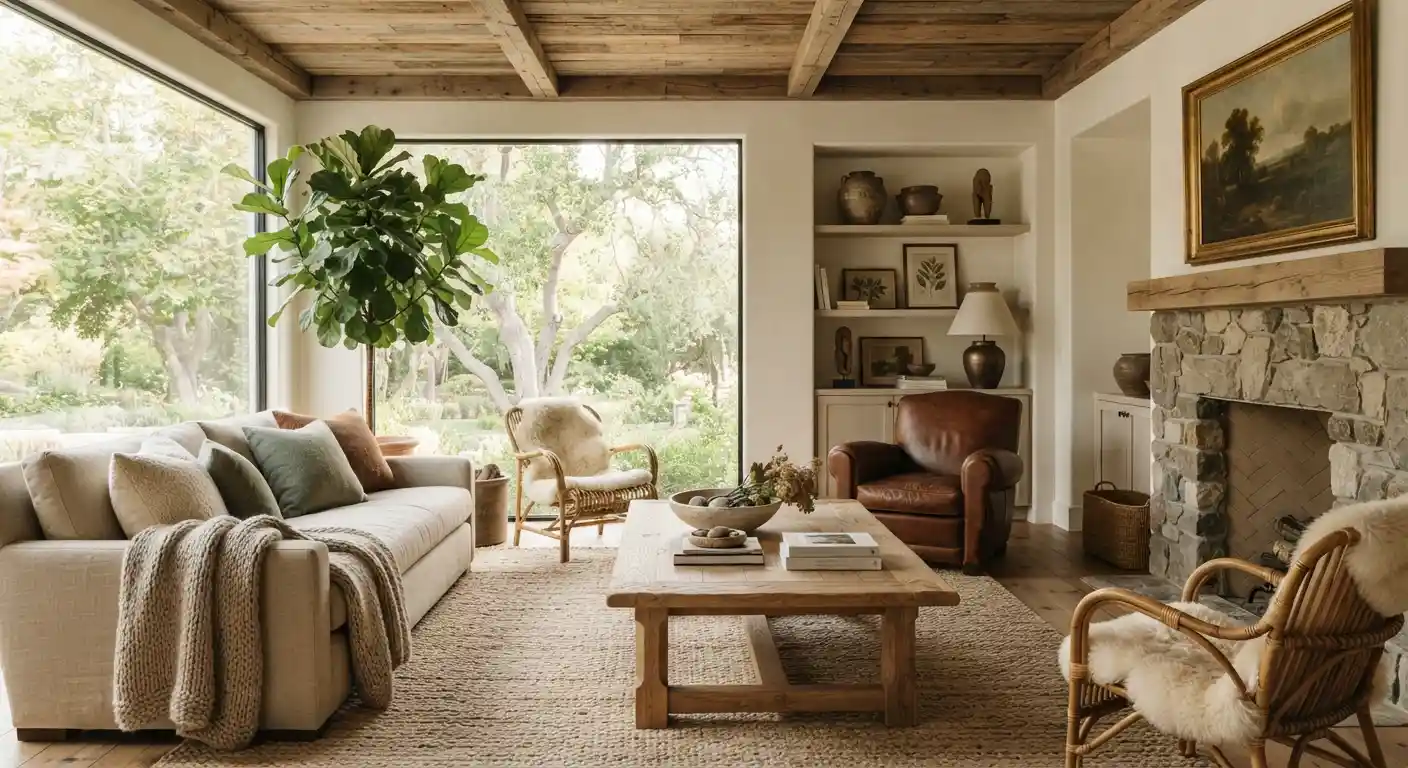
A beautiful home does not always need the latest furniture trends or dramatic design changes. Some of the most appealing interiors are built around timeless principles such as natural materials, balanced colors, comfortable furniture, and thoughtful lighting. These elements can create a home that feels warm, sophisticated, and welcoming while remaining practical for everyday life.
Natural decoration has become increasingly popular because it brings a sense of calm and authenticity into modern interiors. Wood, plants, woven fabrics, stone, linen, and earthy colors can soften contemporary spaces and make them feel more connected to the natural world.
At the same time, timeless style is about choosing elements that remain attractive beyond a single season or trend. By combining natural details with practical design choices, homeowners can create interiors that look elegant today and continue to feel relevant for years.
Begin With a Natural Color Palette
Color is one of the easiest ways to introduce a natural atmosphere into the home. Earth-inspired shades such as beige, cream, warm white, taupe, soft brown, muted green, and gentle blue can create a relaxed foundation.
Neutral colors also provide flexibility. They allow furniture, artwork, plants, and decorative accessories to change over time without requiring a complete redesign.
Instead of using several strong colors, consider choosing one main neutral shade and introducing complementary natural tones through furniture and accessories. This approach creates visual harmony while allowing different textures to provide interest.

Bring Wood Into the Interior
Wood is one of the most versatile natural materials for home decoration. Its warmth can balance modern furniture and make minimalist interiors feel more welcoming.
Wood can be introduced through flooring, dining tables, shelving, coffee tables, cabinets, sideboards, or smaller decorative pieces. Different wood tones can also create different moods. Light wood often creates an airy and contemporary appearance, while darker finishes can provide a richer and more traditional atmosphere.
The key is to avoid making every wooden element identical. Slight variations in tone and texture can give the interior a more natural appearance.
Add Indoor Plants
Plants can instantly make an interior feel more alive. Their organic shapes and natural colors provide contrast against straight furniture lines and smooth architectural surfaces.
Large plants can fill empty corners, while smaller varieties can be positioned on shelves, side tables, windowsills, or cabinets. Hanging plants can also add visual interest to areas that might otherwise remain unused.
The type of plant should be chosen according to the amount of natural light available. Easy-care varieties can be particularly useful for busy households.
Plants also work well with natural materials such as wood, rattan, stone, and linen, helping create a consistent design theme throughout the room.
Use Natural Fabrics
Fabrics have a major influence on how comfortable a room feels. Natural-looking textiles can add softness while maintaining a relaxed and timeless appearance.
Linen, cotton, wool, woven materials, and textured fabrics can be introduced through curtains, cushions, rugs, throws, upholstery, and bedding.
Layering different fabrics creates depth. For example, a soft rug can be combined with cotton cushions, a textured throw, and linen-style window treatments to create a comfortable environment.
Natural fabrics are especially effective in neutral interiors because texture prevents the space from appearing flat.
Make Natural Light a Design Feature
Natural light is one of the most valuable elements in any home. It can make colors appear brighter, highlight textures, and create a sense of openness.
Furniture should be positioned carefully so that windows remain unobstructed wherever possible. Mirrors can also be used to reflect daylight and make darker areas feel brighter.
However, natural light needs to be controlled as well as welcomed. Strong sunlight can cause glare, affect room temperature, and create excessive brightness at certain times of the day.
Window treatments therefore play both a decorative and practical role.
Use Blackout Curtains for Greater Control
Bedrooms, living rooms, and other spaces can benefit from window treatments that provide greater control over daylight and privacy. The right solution should complement the interior while also supporting the practical needs of the household.
blackout curtains can be particularly useful when homeowners want to manage incoming light and create a more comfortable atmosphere. They can also contribute to privacy and help create a darker environment when required.
The visual appearance of the curtains should be considered alongside their practical function. Neutral shades can blend naturally into a calm interior, while richer tones can become an attractive feature.
Combine Soft and Hard Materials
Natural interiors become more interesting when different materials are combined. A wooden table can look even more appealing when paired with soft fabric seating. A stone surface can be balanced with woven accessories, while metal details can provide subtle contrast.
The goal is not to use as many materials as possible. Instead, choose a few complementary finishes and repeat them naturally throughout the room.
This creates consistency without making the interior feel overly coordinated.
Introduce Woven Accessories
Woven materials can bring warmth and handmade character to modern homes. Rattan, wicker, jute, and other woven finishes can be used in baskets, lampshades, rugs, chairs, storage pieces, and decorative accessories.
These materials work particularly well with neutral colors and wooden furniture. Their visible texture creates a relaxed atmosphere that suits both contemporary and traditional interiors.
Woven storage baskets can also serve a practical purpose by helping keep everyday items organized while contributing to the room’s decoration.
Choose Timeless Furniture
Furniture should be selected according to comfort, proportion, quality, and long-term usefulness rather than short-lived trends.
Simple silhouettes are often easier to integrate into different styles. A well-proportioned sofa, sturdy wooden table, comfortable armchair, or classic storage cabinet can remain useful even when decorative preferences change.
The scale of furniture should also match the room. Oversized pieces can make smaller interiors feel crowded, while furniture that is too small can make a large room feel disconnected.
Before purchasing major furniture, measure the available space and consider movement around the room.
Create Warmth With Layered Lighting
Lighting can enhance natural materials and create a welcoming atmosphere after sunset. Rather than relying on a single ceiling fixture, combine different sources of illumination.
Floor lamps, table lamps, wall lights, pendant fixtures, and accent lighting can create layers throughout the room. Warm light often works particularly well with wood, natural fabrics, and earthy colors.
Lighting should also serve the activities taking place in each room. Reading areas may require focused illumination, while social spaces benefit from softer ambient lighting.
Keep the Interior Connected
A timeless home does not need every room to look identical. However, repeating certain colors, materials, or design details can create a sense of connection.
For example, a particular wood tone might appear in the living room and dining area. Similar neutral colors can be repeated in bedrooms and hallways, while natural fabrics can provide consistency across different spaces.
This approach creates a home that feels thoughtfully designed without becoming repetitive.
Use Rugs to Add Natural Texture
Rugs are useful for both comfort and decoration. Natural-looking materials and earthy colors can strengthen a relaxed interior design.
A textured rug can define a seating area while adding warmth underfoot. In open-plan spaces, rugs can also visually separate different zones without the need for walls or partitions.
The size of the rug should correspond to the furniture arrangement. A rug that is too small may appear disconnected, while a larger design can help bring several furniture pieces together.
Avoid Excessive Decoration
Timeless interiors often benefit from restraint. Filling every surface with decorative objects can make a room feel crowded and reduce the impact of individual pieces.
Instead, choose accessories carefully. A ceramic vase, framed artwork, natural basket, plant, or handmade object can become more noticeable when it has enough surrounding space.
Leaving some surfaces empty also creates visual breathing room and allows the main furniture to remain the focus.
Add Personal Details
Natural and timeless decoration should still reflect the people who live in the home. Personal items can prevent an interior from feeling generic.
Family photographs, books, artwork, travel souvenirs, handmade pieces, and meaningful objects can all add character.
The most effective approach is to display personal items selectively. A small collection of meaningful objects often creates more impact than covering every shelf.
Think About Privacy and Comfort
A stylish interior should also provide a sense of privacy and comfort. Window treatments can help control visibility from outside while contributing to the overall design.
This is particularly important in bedrooms and living areas where people may want greater privacy at different times of the day.
Choosing window treatments that suit both the room’s decoration and its practical requirements creates a more complete interior.
For rooms exposed to strong daylight, blackout curtains can provide an additional way to manage light while complementing furniture, flooring, and wall colors.
Create a Calm Bedroom
Bedrooms are especially suitable for natural and timeless decoration. Soft colors, comfortable fabrics, wooden furniture, and gentle lighting can create a relaxing atmosphere.
Avoid excessive patterns or strong contrasts if the goal is a peaceful environment. Instead, focus on subtle texture and a coordinated color palette.
Curtains, bedding, rugs, cushions, and upholstered furniture can all be layered to make the bedroom feel comfortable without becoming visually overwhelming.
Refresh the Home Gradually
One advantage of timeless decoration is that it does not require constant redesign. Small changes can refresh the interior while preserving the main design foundation.
Changing cushions, artwork, plants, rugs, or decorative accessories can introduce seasonal variation without replacing major furniture.
This approach is also more sustainable because it encourages homeowners to keep useful furniture and update smaller elements when their preferences change.
Focus on Quality and Function
Timeless style is not simply about appearance. Quality and functionality are equally important.
Furniture should be comfortable and durable. Storage should make everyday organization easier. Lighting should support different activities. Window treatments should provide appropriate privacy and light control.
When every element serves a practical purpose while contributing to the overall appearance, the home becomes easier to live in.
Final Thoughts
Decorating with natural elements and timeless style is about creating an environment that feels comfortable, balanced, and authentic. Natural materials, earthy colors, indoor plants, textured fabrics, thoughtful lighting, and carefully selected furniture can work together to create a welcoming interior.
The most successful approach is not to follow every trend but to build a strong foundation and make thoughtful additions over time. By combining beauty with functionality, homeowners can create spaces that remain attractive while adapting to changing needs.
Natural decoration also offers plenty of flexibility. Whether the home is modern, traditional, minimalist, or somewhere in between, materials such as wood, linen, woven textures, plants, and natural colors can bring warmth and character to almost any interior.
With careful planning and a focus on comfort, privacy, light, and proportion, it is possible to create a home that feels both contemporary and timeless.